
Losing a loved one is one of the hardest parts of life, and the last thing that needs to be addressed is being buried in paper work and courtroom deadlines. If you are probating an estate in California, you are probably wondering about the process and how long it will all take.
Being a Professional Fiduciary and a Probate Specialist in California, Angelique Friend has been spending her professional career helping families through complex probate procedures with efficiency and compassion. Below, she answers some of the most frequently asked questions about probate procedures in California to help you decide which steps you should take.
Does Everyone in California Need to Go Through Probate?
The quick answer is: No. Not all estates must go through a formal probate process. Whether or not you will need probate will depend upon the assets that are left behind by the deceased individual.
The $208,850 Threshold: In cases of deaths that occurred on or after April 1, 2025, a simplified “Small Estate” procedure is authorized in the state of California if the total value of the assets is no more than $208,850.
Properties That Avoid Probate: Properties that are held in a living trust, properties that are owned by joint tenancy, and funds with payees (such as IRAs and “payable on death” accounts) avoid probate altogether.
What is Called “The 2-Year Rule” in Deceased Estates?
There is some confusion regarding the “2-year rule” because there is more than one application of this rule regarding estates:
Tax Returns: Many people use the two-year period to pay any estate tax that may be due in order to simplify their taxable returns.
Posthumous Heirs: Under California law, an offspring born after the death of their parents may still inherit the estate if born within two years of death, as long as legal requirements are satisfied.
Finality: Whereas the usual creditor period is significantly shorter (4 months generally), two years is viewed as the “outer limit” of even the most complex administrations to be finally resolved.
First Thing After Probate Begins
What is the First Thing to Do After Probate Starts?
After the petition is filed at the court, the very first milestone is the issuance of “Letters.” This depends on whether there was a will or not, and the court would issue either “Letters Testamentary” or “Letters of Administration.”
Angelique Friend explains that this paper is pretty much your “legal ID”—it is what gives you the power to go to bank accounts, to speak with insurance companies, to start gathering the estate’s assets.
How Long Does the Process Take?
In the state of California, probate rarely occurs on a “quick” basis. On average, probate takes any place from 9 to 18 months.
The Creditor Period: The representative then gives the creditors notice, after which the creditors have 4 months to make their claims.
Court Backlogs: This involves waiting for a hearing date, which could take weeks or even months, depending on the county.
When Do I Finally Receive My Inheritance?
Inheritance is usually the final step. Before any money is transferred to any beneficiaries, the following steps must be carried out by the person in charge: Pay all the debts of the deceased. Payment of all income taxes or estates that are due. Submit a final accounting to the court for judicial approval. Only after the judge signs the Judgment of Final Distribution of the estate’s assets can the distribution of the assets be made.
Why Work With a Professional?
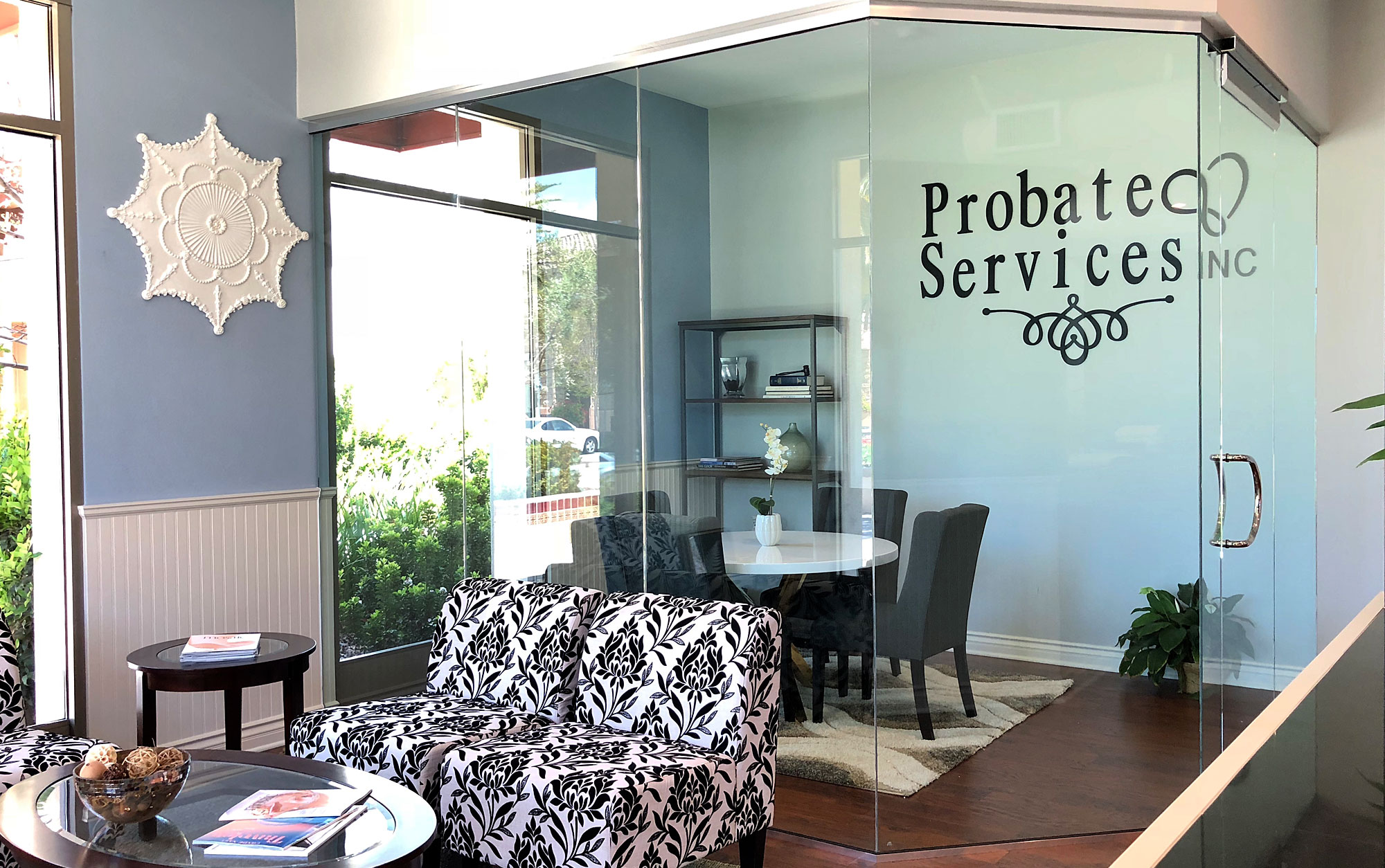
An individual would need a legal expert to help them navigate the law. Angelique Friend and her company, Probate Services Inc., are specialists in ensuring that families of the deceased understand the paper work and court filings required after the death of their loved one. Angelique Friend ensures that the will of the deceased is carried out while getting them the peace of mind that they need.
Connect With Us